

Many professionals interested in public safety want to know how to become a security officer but don't know where to start. Security officers play a key role in keeping places and people safe across healthcare facilities, office buildings, and retail locations. This blog will explain the steps, skills, and training needed for this rewarding career, plus how the security industry is evolving in 2025.
Keep reading to learn more about starting your journey as a security officer!
Key Takeaways
- Security officers protect people, property, and assets through patrol, monitoring, and emergency response activities in diverse settings from hospitals to corporate buildings.
- Basic requirements include being age 18+ (21 in some states), obtaining a high school diploma or GED, passing a criminal background check, and completing state-mandated training for licensure.
- Essential skills for professionals include physical ability, clear communication with team members and customers, constant alertness, and the knowledge to perform under pressure during security activities.
- Obtaining proper certification and completing required class hours opens the gateway to various security positions, with licensed guards earning competitive pay in the growing security services sector.
- Career development opportunities exist for eligible candidates through specialized training in armed security, emergency services coordination, or advancement to department supervisory roles.
Need Security Guard Monitoring Software?
If you're running a security team and need reliable, modern tools to streamline operations, THERMS is here to help. From real-time incident reporting to workplace analytics and data management, our platform is built to support professional security services. Reach out to THERMS today and see how we can help you run smarter, more efficient security operations.
Understanding the Role and Requirements
Security officers are vital for protecting people, places, and property. Understanding their duties and basic qualifications helps you prepare for the role effectively.
Common Duties and Work Environments
Security officers guard people, property, and information. They patrol areas to ensure public safety and prevent legal issues or crimes. Duties can include checking IDs, monitoring security cameras, and writing incident reports. Armed security guards may carry firearms after completing required training. Some roles involve quick decisions during emergencies like fires or thefts.
Work environments vary widely. Officers might work in private security for offices, malls, hospitals, or schools. Others protect high-risk places like banks or airports in armed positions. Hours often change based on the site; many jobs require night shifts or weekends to ensure 24/7 coverage of a security setting.
Types of Security Officer Positions
There are different roles in the security industry. Each position has unique tasks and work environments.
- Unarmed Security Officer: These officers patrol areas, monitor surveillance systems, and ensure safety. They do not carry weapons and often work in malls, hospitals, or office buildings.
- Armed Security Officer: These officers carry firearms after completing special training programs. They protect high-risk areas like banks, government facilities, or large events.
- Mobile Patrol Officer: They travel through assigned locations to check for issues. These positions may require a valid driver's license and strong communication skills.
- Event Security Guard: Event guards handle crowd control at concerts or sports games. Their primary duties include checking tickets and preventing disturbances.
- Personal Protection Officer (Bodyguard): They protect individuals from threats such as theft or harm. This role often requires advanced training and fitness.
- Corporate Security Guard: Corporate guards focus on protecting businesses from theft or vandalism. Tasks include monitoring building access and conducting criminal background checks on visitors if needed.
- Gatehouse Security Officer: Gatehouse guards manage entry points of properties like warehouses or residential complexes. They verify identities using completed applications for visitor passes.
- Loss Prevention Specialist: They work in retail settings to prevent shoplifting or fraud. They use observation skills to detect suspicious behavior.
Each role plays a vital part in keeping people and property safe while meeting legal requirements like drug screens or licensing.
Basic Eligibility (Age, Education, Legal Requirements)
To become a security officer, candidates must meet some basic requirements. These ensure they are ready for the job and trusted to protect others.
- Age Requirement: Applicants must be 18 years old or older. Some states may require a minimum age of 21.
- Education: A high school diploma or equivalent is mandatory. This proves you have basic reading, writing, and problem-solving skills.
- Legal Eligibility: Candidates need to be U.S. citizens or have legal authorization to work in the country. Background checks are common and may focus on criminal history.
- Clean Record: Having no felony convictions is essential in most states. Employers often also check for serious misdemeanor offenses.
- Physical Ability: Security jobs can be physically demanding, so applicants must meet specific health standards. Routine physical tests might be part of the hiring process.
- Application Fee: Many states require paying an application fee for security guard registration or licensing. Fees vary by state and type of license needed.
- Drug Testing: Passing a drug test is typically required before starting work at most security companies.
- Residency Requirements: Some states ask applicants to have lived in the area for a certain period before applying for licenses or jobs.
Skills and Qualifications

To excel as a security officer, you need the right abilities and mindset. These skills help keep situations calm and ensure safety at all times.
Physical Fitness and Health Requirements
Security officers need to stay in good shape. They should have strong stamina for long work hours and be ready for physical tasks like walking, standing, or light lifting. Good vision and hearing are also important for safety.
Health checks may be part of the hiring process. Some training facilities require proof of fitness before a security course starts. Staying healthy helps handle emergencies better, like assisting others during first aid situations or quick responses to threats.
Key Personal Traits (Communication, Alertness, Professionalism)
Strong personal traits are crucial for security officers. These traits help them handle duties effectively and maintain trust with clients.
- Clear Communication Skills: Communication is vital in this role. Officers must clearly report incidents and relay information to their team or clients. Miscommunication can lead to serious issues.
- Constant Alertness: Being aware of surroundings is critical. Officers should spot unusual behavior or threats quickly. GPS tracking tools can also enhance alertness by providing real-time location data during patrols.
- Professional Behavior: Officers represent their company while on duty. They should act respectfully, wear proper uniforms, and be polite with clients and the public at all times.
- Quick Decision-Making: Responding to emergencies requires fast thinking. Whether it's identifying a threat or deciding how to resolve conflicts, good judgment is key.
- Strong Client Interaction: Building trust with customers is important for long-term relationships. Officers need strong communication skills to understand expectations and provide updates as needed.
Training and Certification
Training prepares you for real-world challenges. Certification proves your skills and helps you qualify for jobs.
Mandatory Training Programs
Security officers must complete specific training programs. These ensure they are prepared for the job and meet legal requirements.
- Attend a basic security officer training course at an approved training facility. This covers safety, conduct, and legal procedures to handle situations professionally.
- Learn how to observe and report incidents clearly and effectively during the program. Accuracy in reporting helps provide valuable information to employers or law enforcement.
- Take classes on access control techniques, including monitoring entrances, securing buildings, and preventing unauthorized entry.
- Understand conflict management methods taught in successful completion of mandatory sessions for dealing with disputes calmly without escalation.
- Receive lessons on emergency response actions like evacuations or handling natural disasters while keeping others safe under pressure.
- Complete hands-on drills focused on crisis scenarios such as thefts or workplace violence simulations that mirror real-life risks.
- Study state laws regarding work regulations relevant to private security officers since each region often has unique rules or licenses required by law before employment opportunities open further.
First Aid, CPR, and Firearms Certification (if applicable)
First Aid, CPR, and Firearms certifications make security officers more effective. These qualifications ensure they can handle emergencies and meet job requirements.
- First Aid certification helps officers manage medical situations quickly. This training covers treating wounds, stopping bleeding, and handling injuries until help arrives.
- CPR certification is key for life-saving actions during emergencies. Officers learn how to revive someone who has stopped breathing or whose heart has stopped.
- Most training programs include both First Aid and CPR as mandatory skills. They build confidence and prepare officers for real-life challenges.
- Firearms certification applies to roles that require carrying weapons on duty. Officers learn safe handling, shooting accuracy, and legal use of firearms in specific situations.
- Completing firearm training includes strict safety rules. Instructors teach proper protocols to avoid misuse or accidents.
- Some states require re-certification every few years to maintain these skills. This ensures officers stay updated with laws and techniques.
- Employers view these certifications as essential for hiring qualified candidates in high-risk positions or specialized roles.
- Certification enhances an officer's resume and improves their response abilities during critical incidents at work.
- Continuing education may be needed based on state rules or employer policies. Officers should refer to their state requirements regularly for steps needed to keep credentials valid over time!
Licensing and State Requirements
Licensing is a must for most security officer jobs. Each state has its own rules and steps to follow.
- Check the age limit in your state. Many states require guards to be at least 18, but some may ask for 21.
- Confirm if a high school diploma or GED is necessary. Most employers prefer these basic qualifications.
- Pass a background check. States ensure no criminal history that disqualifies candidates for security work exists.
- Apply for a security license through your state's office or licensing body. This process often includes filling out forms and paying fees.
- Finish any required training programs approved by the state, such as property protection laws and emergency response courses.
- Meet additional requirements based on job duties, like firearm permits if handling weapons is involved.
- Renew licenses regularly to stay compliant with state laws, commonly every two to five years depending on the location.
- Stay updated on changes in local laws affecting security officers to avoid penalties or loss of credentials.
The Evolving Security Industry in 2025

The security industry continues to grow and adapt to new challenges. Understanding current trends helps professionals stay competitive and deliver better security services.
Technology Integration and Modern Security Activities
Modern security officers now work with advanced tools that transform traditional security activities. Officers use sophisticated software to perform real-time monitoring, track incidents, and coordinate with their team more effectively. Digital platforms enable faster communication with emergency services and provide instant access to critical information during security operations.
The gateway to modern security work involves mastering various technological tools. Officers must be comfortable with surveillance systems, access control software, and mobile reporting applications. Security companies increasingly search for candidates who can adapt to new technology while maintaining core protective duties. This combination of traditional skills and digital knowledge makes professionals more valuable in today's market.
Growing Demand Across Healthcare and Other Sectors
Healthcare facilities represent one of the fastest-growing sectors for security employment. Hospitals and medical centers need trained guards to protect employees, patients, and visitors while maintaining a safe environment. The process of obtaining specialized healthcare security certification opens doors to stable positions in this essential sector.
Other high-growth areas include retail, education, and corporate settings. Each location requires officers who understand the specific challenges of that environment. Corporate buildings may focus on protecting intellectual property and controlling visitor access, while retail settings emphasize loss prevention and customer safety. Understanding these different needs helps eligible candidates find the right fit for their career goals.
The Role of State Divisions and Licensing Bodies
Each state maintains a division or department responsible for regulating security services. These agencies set standards for training, conduct background checks, and issue licenses to qualified individuals. The licensing process ensures that only eligible professionals can work in the field, protecting both employers and the public.
Requirements for becoming licensed vary by state, but most follow similar patterns. Applicants must pass a criminal background check, complete mandatory class hours, and demonstrate their ability to perform essential duties. Some states require additional certification for armed positions or specialized roles. Visit your state's regulatory division website to search for specific requirements in your location.
The Process: How to Become a Security Guard Step by Step
Becoming a security guard requires following a clear process that varies slightly by state. Here's what you need to know to qualify and launch your career.
Step 1: Meet Basic Eligibility Requirements
Start by confirming you meet the minimum age requirement, typically 18 or 21 depending on your state and the position. Obtain your high school diploma or GED if you haven't already. Ensure you're eligible to work legally in the United States and have no disqualifying criminal convictions. This foundation prepares you for the next steps in the process.
Step 2: Complete Required Training and Pass the Exam
Enroll in a state-approved security training program that covers essential topics like emergency response, report writing, and legal authority. Most programs require 8-40 hours of class time depending on your state and whether you're seeking armed or unarmed certification. Upon completion of the course, you'll need to pass a written exam to demonstrate your knowledge of security activities and procedures.
Step 3: Submit Your Application and Undergo a Criminal Background Check
After completing your training, submit your license application to your state's regulatory division or department. The application process includes providing personal information, proof of training completion, and fingerprints for a thorough criminal background check. Most states charge a fee for processing applications and conducting background investigations.
Step 4: Receive Your License and Start Your Job Search
Once you pass the background check and receive your license, you're ready to become a security professional. Licensed guards can now apply for positions with security companies, directly with businesses, or through employment agencies. Keep your license current by completing any required renewal training and staying informed about changes in state regulations.
Finding and Starting Your First Job
Start with small steps—craft a strong resume, apply to beginner roles, and explore job boards to kick off your security career.
How to Build a Strong Resume and Apply Effectively
A strong resume can help you stand out as a security officer. Highlight your skills, training, and past experiences to impress employers.
- Include specific skills related to security, like communication or crisis management.
- List any certifications, such as first aid or CPR training, to show your qualifications.
- Match your resume to the job description by using keywords from the posting.
- Use action verbs like "patrolled," "monitored," or "responded" when describing past roles.
- Add experience with incident reporting if you have it, as this is often required for security officers.
- Keep the format clear and professional, making it easy for recruiters to read quickly.
- Show any physical training or fitness programs completed if relevant for the position.
- Apply through different platforms, including online job boards and company websites, to reach more employers effectively.
- Double-check contact details on your resume so hiring managers can easily reach you.
- Proofread carefully to avoid spelling errors that could leave a bad impression on potential employers.
Where to Look for Jobs and What Employers Seek
Security guard companies often need reliable and skilled security officers. Knowing where to search can make hiring easier.
- Job boards like Indeed or Glassdoor list many security positions. Post job openings there for wider reach.
- Local staffing agencies can help connect with candidates quickly. They handle pre-screening, saving time.
- Advertise roles on your company website and social media pages. This attracts people already interested in your business.
- Reach out to community colleges or schools offering security training programs. Many students look for entry-level roles after finishing courses.
- Partner with military transition programs to hire veterans. They often bring valuable skills and discipline.
- Look for referrals from current employees working as guards or supervisors.
- Host a local job fair to meet potential candidates face-to-face.
- Check online forums or groups related to the security industry for active job seekers.
- Always evaluate applicants' fitness, alertness, and professionalism during interviews.
- Ensure licenses and certifications match state requirements before hiring them.
Finding the right hire means checking skills and credentials along with a strong recruitment plan!
Interview Tips and Entry-Level Advice
Getting your first job as a security officer can feel exciting. Follow these tips to stand out in interviews and land the role.
- Research the company before attending the interview. Learn about their values, work, and clients to show you're prepared.
- Dress in professional attire for the interview. A neat appearance leaves a strong first impression.
- Bring all required documents like your ID, certifications, and resume. Being organized shows responsibility.
- Practice common interview questions beforehand, such as describing your strengths or handling difficult situations on the job.
- Maintain good posture and steady eye contact during the meeting to display confidence and interest in the role.
- Speak clearly when answering questions to ensure your points are understood without confusion or hesitation.
- Highlight any skills that make you fit for security work, like observation skills or prior experience with safety protocols.
- Ask thoughtful questions about the position or company culture at the end of the interview to reflect genuine interest.
- Be honest about your availability and willingness to work shifts since many security jobs require flexible hours.
- Thank the interviewer at the end of your session for their time; politeness leaves a memorable impression.
Growing Your Career in Security
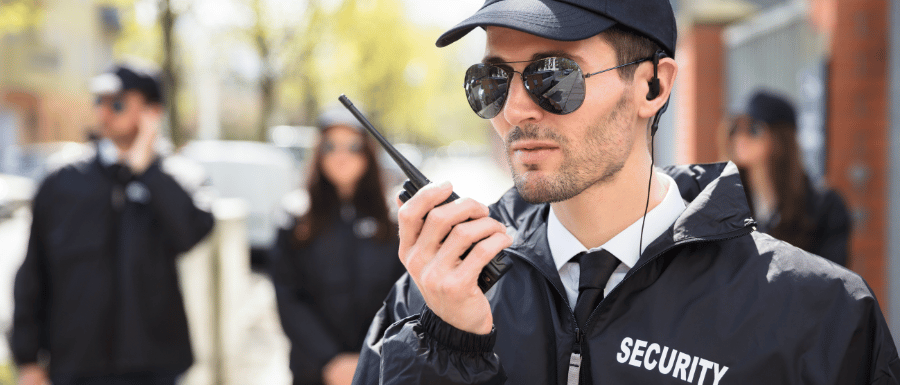
Advancing in security requires a mix of experience and added skills. Explore specialized roles or certifications to stand out.
Advancement Opportunities and Promotions
Security officers can move up with hard work and skills. Many start as guards but grow into supervisors, managers, or team leads. Showing leadership and staying reliable helps earn these roles.
Special training opens more doors too. For example, certifications in technology or crowd control could lead to higher pay or advanced jobs. Companies often reward effort and good performance with promotions over time.
Specialized Roles and Additional Certifications
Specialized roles need extra training and certifications. These open doors to higher-paying jobs and unique opportunities.
- Armed Security Certification: Officers with firearm training can work in high-risk areas such as banks or armored transport. Some states require additional licensing for this role.
- K-9 Security Handler: Learn to handle trained security dogs. This skill is useful in detecting drugs, explosives, or patrolling large areas like airports.
- Cybersecurity Training: Protect digital assets from cyber threats. Companies often need officers with knowledge of basic IT security systems.
- Risk Assessment Certification: Helps officers identify and minimize potential safety risks at sites like malls, events, or industrial plants.
- Event Security Specialist Training: Focuses on managing large crowds at concerts, sports games, or political rallies. It teaches methods for crowd control and emergency planning.
- Workplace Violence Prevention Certification: Prepares officers to handle tense situations involving employees or customers calmly and professionally.
- Surveillance System Operation: Training includes monitoring CCTVs and understanding advanced surveillance tools for smarter decision-making during incidents.
- Hazardous Materials (HAZMAT) Handling: Teaches response protocols for dangerous spills or leaks, common in labs or shipping facilities.
- Fire Safety Officer Certification: Equips officers to respond quickly during fires by using extinguishers and assisting evacuations effectively.
- VIP Protection Training: Covers close-protection techniques to safeguard high-profile clients such as celebrities or CEOs during public appearances or travel plans.
Each certification adds value and increases your chances of career growth in different industries seeking reliable security specialists!
Long-Term Career Paths (e.g., Law Enforcement, Cybersecurity)
Building a career in security can lead to exciting roles. Many security officers move into specialized and advanced jobs.
- Law enforcement values security experience. Security work helps you gain observation and protection skills. Many police departments see this as a plus during hiring.
- Cybersecurity is growing fast. Companies need experts to protect against online threats. A background in physical security can guide you into digital safety jobs.
- Private investigation is another option. Former security officers often find success here due to their attention to detail and understanding of surveillance.
- Government agencies recruit experienced guards for federal roles. Positions, like TSA agents or border patrol, are common paths for those with prior experience.
- Management in private security firms offers steady growth. Supervisors and managers oversee teams, handle contracts, and ensure operations run well.
- Corporate security focuses on protecting businesses from risks like theft or breaches. These roles blend physical safety with strategic planning.
- Event-based work leads to bigger opportunities in VIP protection or crowd management at major events like concerts or sports games.
- Training roles allow skilled professionals to teach new hires about safety protocols, defense techniques, and compliance steps within the industry.
- Risk assessment jobs are available in insurance or consulting companies where your insights help reduce client liabilities.
- Emergency planning careers need people who understand crisis responses, making it an ideal jump for seasoned officers looking for impactful work options while ensuring public safety plans succeed long-term!
Planning Your Future in Security
The security profession offers stability and growth potential for those committed to professional development. Whether you become a security guard at a local facility or advance to a department leadership role, this career path provides opportunities to make a meaningful impact on safety and protection.
Consider your long-term goals as you gain experience. Some professionals choose to specialize in areas like healthcare security or emergency services coordination, while others pursue management positions overseeing entire security operations. The skills you develop—from communication with team members to quick decision-making under pressure—transfer well to many related fields.
Stay informed about changes in your state's requirements and continue building your knowledge through additional training. The security industry rewards those who demonstrate commitment to excellence and continuous learning. By investing in your education and maintaining high professional standards, you'll position yourself for a successful future protecting people, property, and assets.
Conclusion
Becoming a security officer takes effort, but it is worth it. Focus on learning the skills and meeting the requirements. Gain training, stay professional, and keep growing in your role.
Opportunities for advancement are there if you work hard. Start today and build a secure future!
FAQs
What is the process for obtaining a security license?
The process for obtaining a security license involves meeting your state's age and education requirements, completing a state-approved training class, passing a criminal background check, and submitting an application to your state's regulatory division. After passing the required exam and background check, you'll receive your license to perform security activities.
How do I become a security guard with no experience?
To become a security guard with no experience, start by completing the required training program in your state and obtaining your license. Many security companies hire entry-level guards and provide on-the-job training. Focus on demonstrating your ability to communicate effectively, stay alert, and act professionally during the hiring process.
What's the difference between armed and unarmed security positions?
Unarmed security officers patrol buildings, monitor visitors, and respond to incidents without carrying firearms. Armed security officers complete additional firearms training and certification to work in high-risk locations like banks or government facilities. Armed positions typically require more experience and command higher pay.
Do all states require completion of a training course?
Yes, nearly all states require security officers to complete a state-approved training course before they can work. The number of class hours varies by state and position type, ranging from 8 to 40 hours. Visit your state's licensing division website to search for specific requirements in your location.
Can security officers work in healthcare settings like hospitals?
Yes, healthcare facilities including hospitals actively hire security officers to protect employees, patients, and visitors. Healthcare security often requires additional training in de-escalation techniques and understanding medical facility protocols. This sector offers stable employment opportunities for licensed professionals interested in protecting people in medical settings.
Is becoming a security officer a good career choice for the future?
Yes, the security industry continues to grow, with increasing demand for qualified professionals across healthcare, retail, corporate, and emergency services sectors. Licensed security officers can advance to supervisory roles, specialize in areas like cybersecurity or armed protection, and enjoy competitive pay. With proper certification and ongoing development, this rewarding career offers long-term stability and growth opportunities.